
Kazakhstan's Prime Minister Explains Causes of Military Deaths in the Caspian
Olzhas Bektenov reported deficiencies in the oversight of military exercises following the deaths of 14 servicemen in Mangystau Region. According to the Ministry of Defense, the cause was a sudden deterioration in weather conditions.
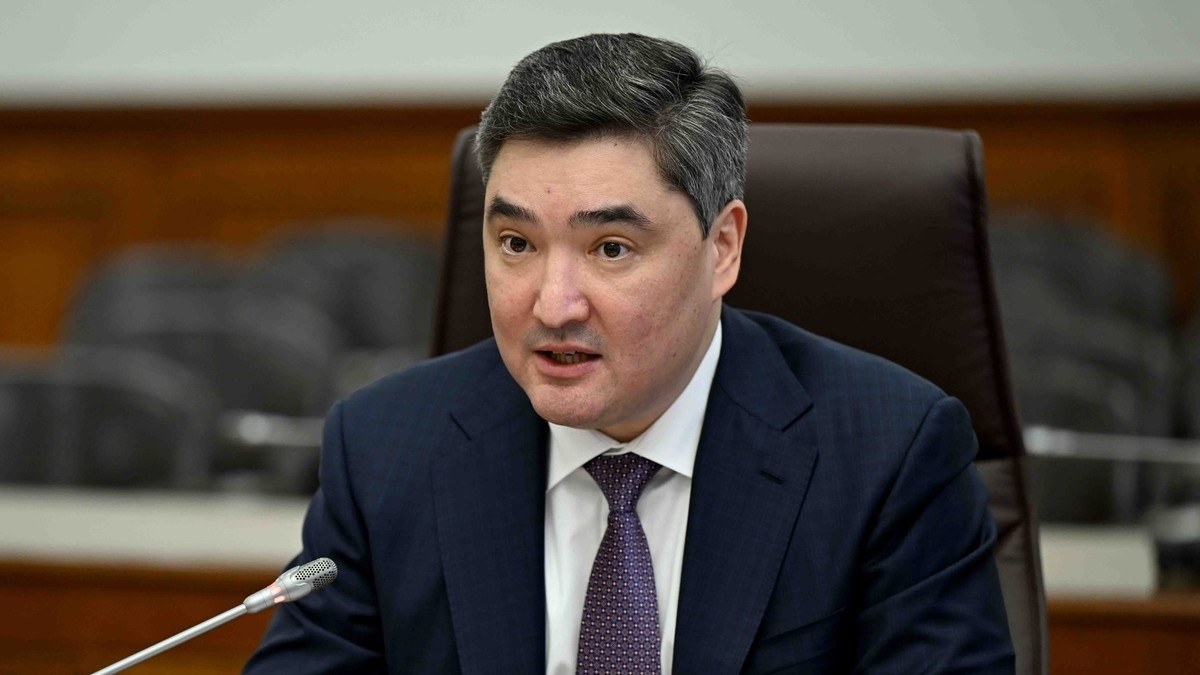
In Kazakhstan, a government inspection revealed violations in the organization of oversight for military exercises, risk assessment, and readiness for operational response, stated Prime Minister Olzhas Bektenov. The inspection was conducted after the deaths of servicemen in the Caspian Sea.
According to Bektenov, the Ministry of Defense insufficiently accounted for hazardous factors. There was also inadequate control over compliance with safety requirements and timely decisions to suspend dangerous phases of the exercises.
Following the incident, the Armed Forces of Kazakhstan began using unmanned systems for aerial observation of maneuvers. In some units, servicemen are issued personal devices that determine their location and monitor their physiological condition. Security agencies have also established cooperation with Kazhydromet and receive data on forecasted weather changes.
During exercises in Mangystau Region in September of this year, 14 servicemen died. According to the Ministry of Defense, a sudden deterioration in weather and strong winds carried the group of military personnel into the sea while performing a combat training task.
After the tragedy, the leadership of the Ministry of Defense was replaced, and a criminal case was initiated. The former Commander-in-Chief of the Naval Forces, his former deputy—Chief of Staff of the Navy—as well as other officials were placed under arrest.
The authorities of Kazakhstan also announced a reform of the armed forces. It provides for a transition to a two-phase model of compulsory military service. The Ministry of Defense also plans to introduce simulators for modeling combat operations. The ministry believes this will improve the quality of military training and reduce exercise costs.