

Wall Street believes the worst of the AI stock sell-off is over
Analysts and strategists are once again expecting stock growth by the end of the year following a recent sell-off of AI-related shares. However, they acknowledge the possibility of short-term volatility.
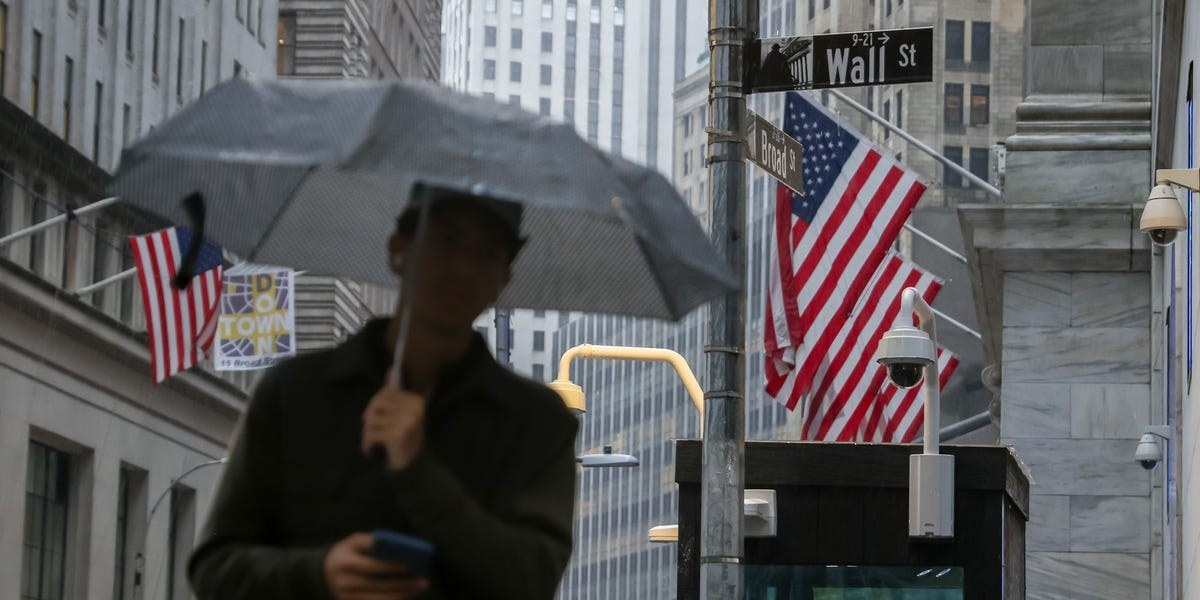
On Monday, the U.S. stock market surged as investors began buying undervalued stocks after last week's decline. According to experts, pressure on the technology sector has at least temporarily eased, and the reduction in company valuations has created conditions for a new rally.
Independent technology analyst Luke Lango warned that the recovery could be a short-term rebound before another decline. However, in his assessment, concerns over a potential reduction in AI infrastructure spending are exaggerated: any slowdown in data center construction, if it occurs, will be policy-related rather than due to weakening AI demand.
Seasonal statistics are cited as an additional argument in favor of growth. According to a BlackRock analysis, in the six months following midterm elections, the S&P 500 index has averaged a 14% gain since 1970, compared to an average growth of 6% in years without such elections. Data from Yardeni Research shows that December ended with an S&P 500 increase in 70% of cases since 1928.
Ned Davis Research expects an imminent reversal of the short-term negative momentum. The firm believes the market may trade unevenly, but a rapid recovery could lead to a new buy signal.
JPMorgan maintained a positive outlook for stocks through the end of the year and confirmed its S&P 500 target level of 8,000 points. The bank believes the recent decline was primarily due to investors closing leveraged positions. BlackRock also described stock valuations as attractive following the sell-off.
HSBC has once again taken an above-neutral position on U.S. stocks. Among potential catalysts for growth, the bank cited Nvidia's earnings report, the Anthropic IPO, inflation data, and speeches by Federal Reserve officials.
Read also
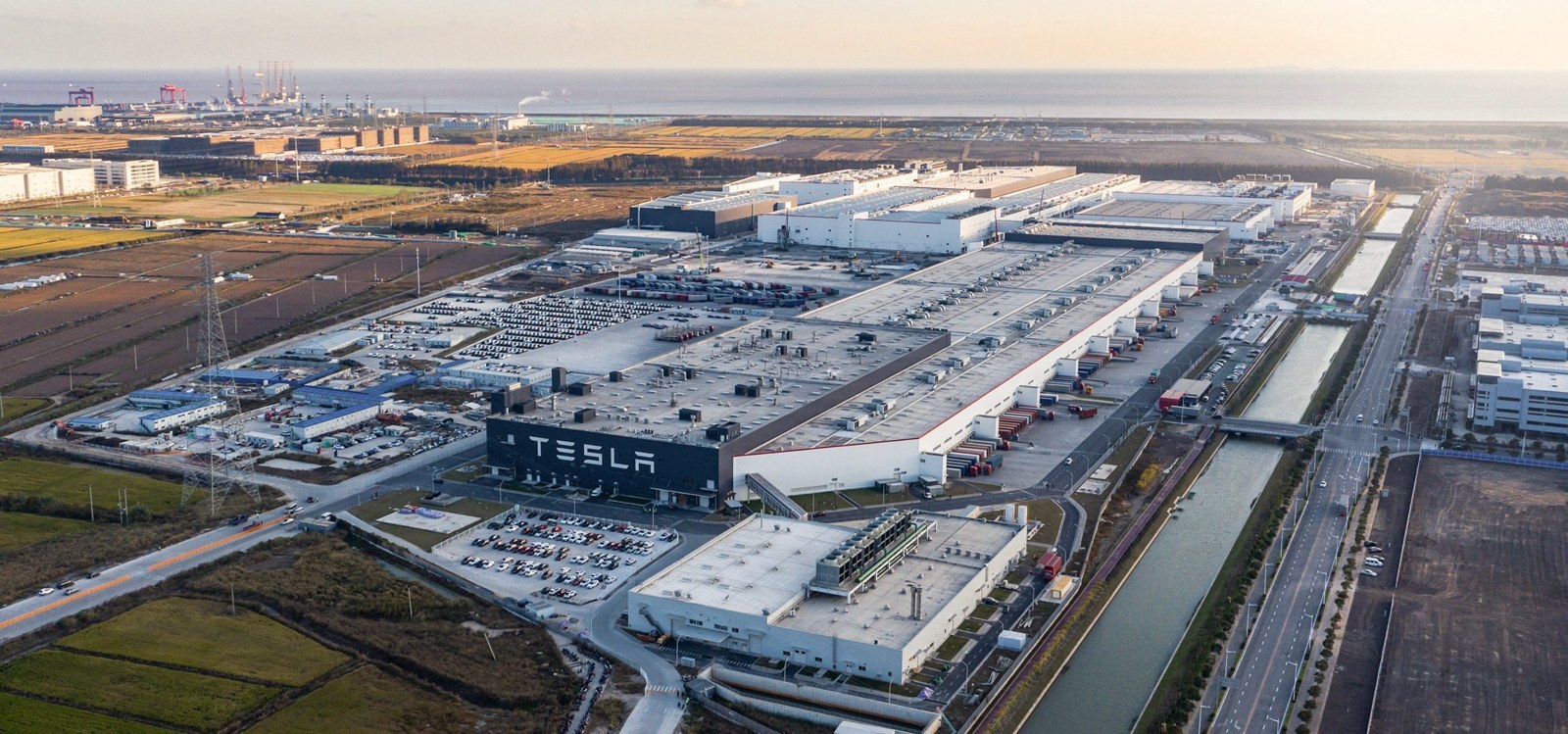
Tesla Sales in China Drop by 66% and Hit Lowest Level Since July 2022
Economy09 Nov, 15:15
Companies in the Future Technologies Center in Nurafshan to Receive IT Park Benefits
Economy09 Nov, 15:08