

Europe Could Cut Electricity Bills by 40% with Coordinated Solar and Battery Expansion
Coordinated deployment of solar generation and batteries could reduce the total cost of electricity in Europe by up to 40% by the 2030s.
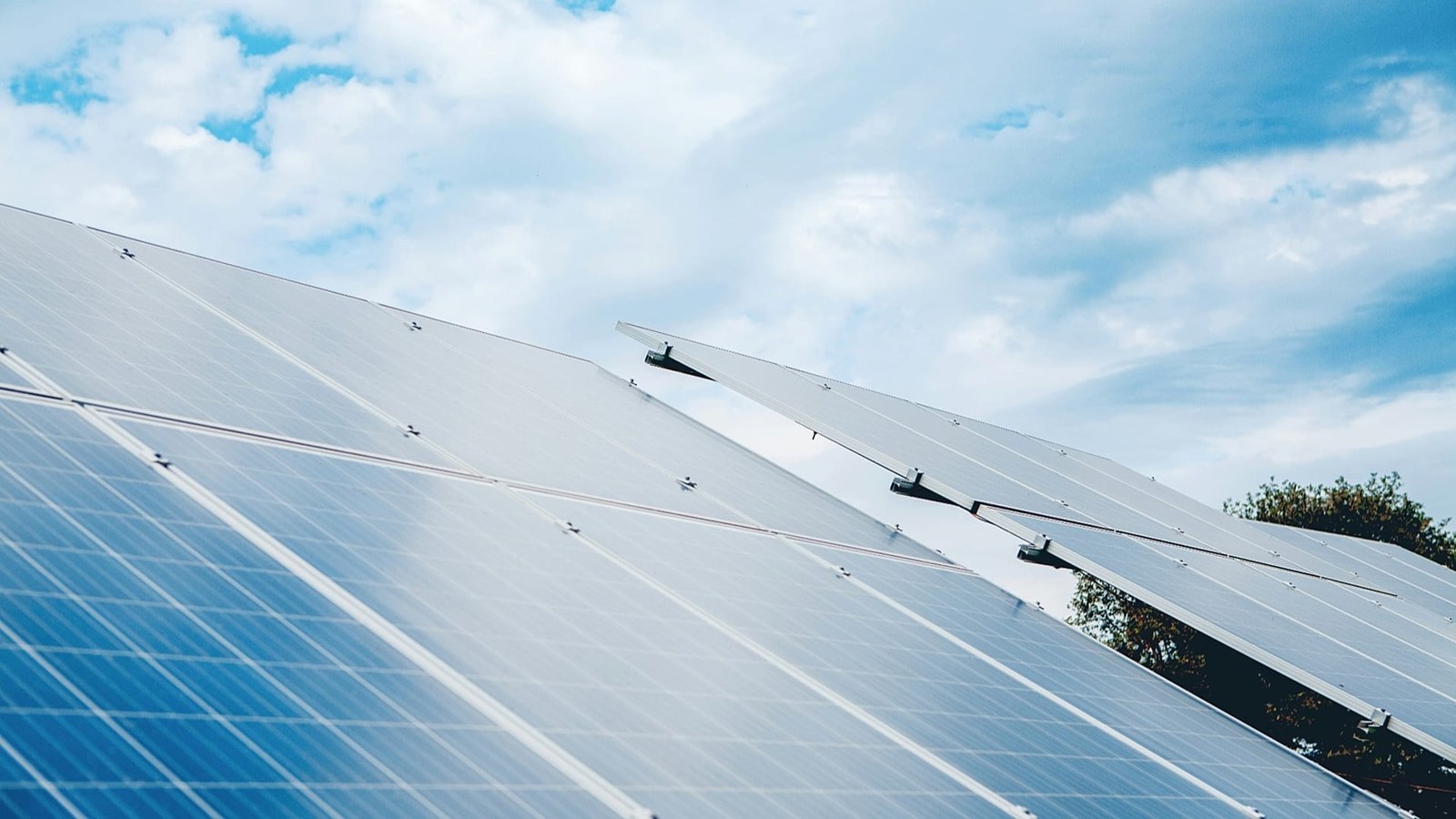
At the UN Climate Summit COP31 on November 12, the Schneider Electric Research Institute (SERI) presented a study on the impact of solar energy and storage systems on electricity costs in Europe. The authors modeled 40,500 scenarios with varying costs for generation, batteries, and power grids.
The report defines distributed energy resources as rooftop solar panels, battery systems, electric vehicles, and "smart" household appliances. According to SERI, with their coordinated deployment alongside electrification, the total cost of operating the energy system could decrease by up to 40% as technologies scale. The potential economic impact by 2030 is estimated at an additional 0.8% of global GDP.
As noted in the study, batteries allow the use of excess solar generation and reduce grid load during peak demand periods. Without coordinated storage operation durations across different types of energy assets, the system's cost could instead rise by up to 35% above the current benchmark.
Laurent Bataille, Executive Vice President of SERI for Operations in Europe, believes that alongside expanding electricity supply, it is necessary to accelerate the growth of electrified demand and make consumption more flexible. This, he states, will help smooth out load and utilize available capacities more efficiently.