

Japan's Economy Stalls: Inflation and High Energy Costs Hinder Growth
Preliminary data showed nearly zero growth in Japan's GDP in the third quarter. Analysts expect the Bank of Japan to raise interest rates in December.
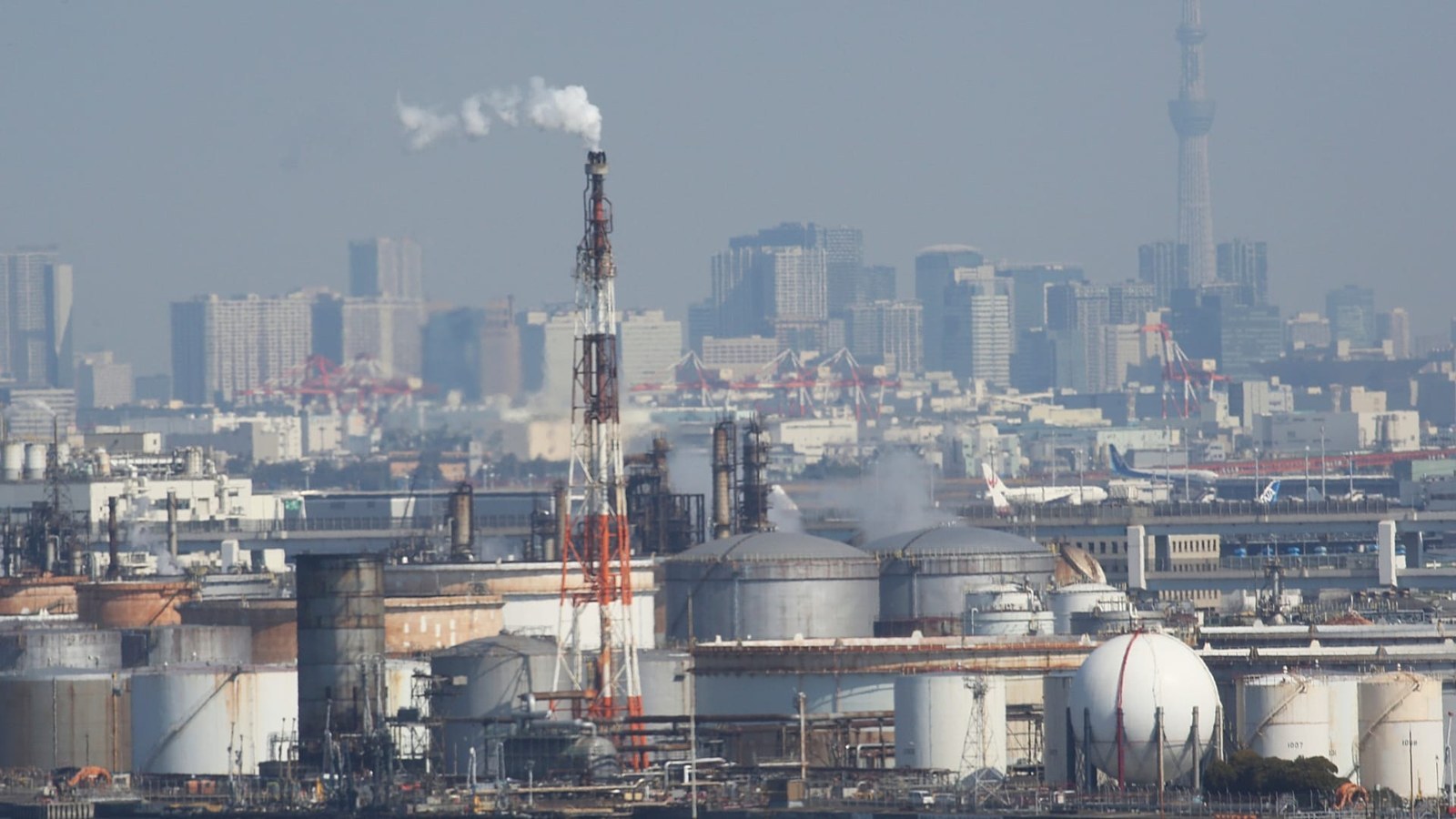
On Monday, the Cabinet Office of Japan released a preliminary estimate of GDP for the third quarter. The economy showed almost no change compared to the previous three months, although analysts had expected growth of 0.1%. The result was weaker than the previous quarter, when GDP increased by 0.4%, and on an annual basis, the economy contracted by 0.1%.
Growth is under pressure from rising oil prices, a weak yen, and supply disruptions through the Strait of Hormuz amid the war in Iran. For Japan, which imports nearly all its required oil, this increases costs for businesses and households. Inflation excluding fresh food products accelerated to 2.1% in September from 1.7% in August, exceeding the Bank of Japan's target.
Real private consumption continued to decline for the second consecutive quarter. According to Taro Kimura, an economist at Bloomberg Economics, typhoons and heavy rains kept shoppers away from stores. An additional factor was the July earthquake on the southwestern island of Kyushu, which disrupted factory operations.
Imports rose while exports fell, worsening the contribution of external trade to the economy. Meanwhile, corporate investments recovered due to demand for digital technologies, and an increase in government inventories also supported GDP. Marcel Thieliant, an economist at Capital Economics, described the data as slightly weaker than expected and noted the disappointing structure of the indicator.
Analysts believe that the weak quarterly result will not prevent the Bank of Japan from raising interest rates in December due to mounting inflationary pressure. Meanwhile, Prime Minister Sanae Takaichi's government is advancing a bill to reduce the tax on food products, but the funding mechanism for this measure remains uncertain due to rising government debt.