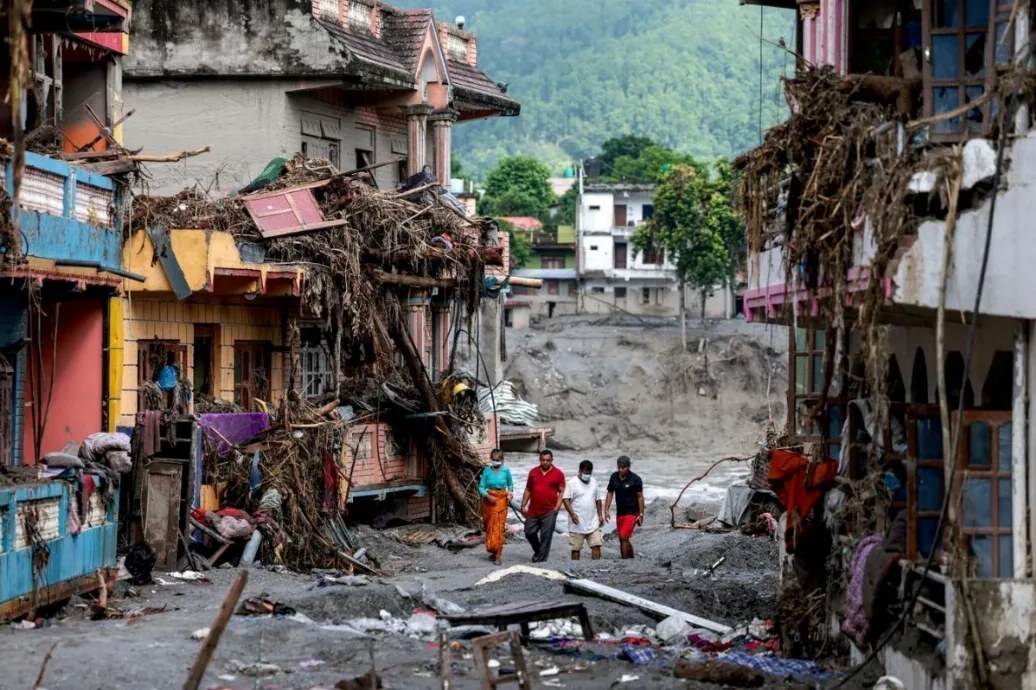

Climate change may accelerate the spread of antibiotic resistance in Central Asia
On November 19 in Astana, a representative of CAREC Oksana Kravtsova explained how warming, floods, and water shortages may influence the spread of resistant microorganisms in Central Asia.
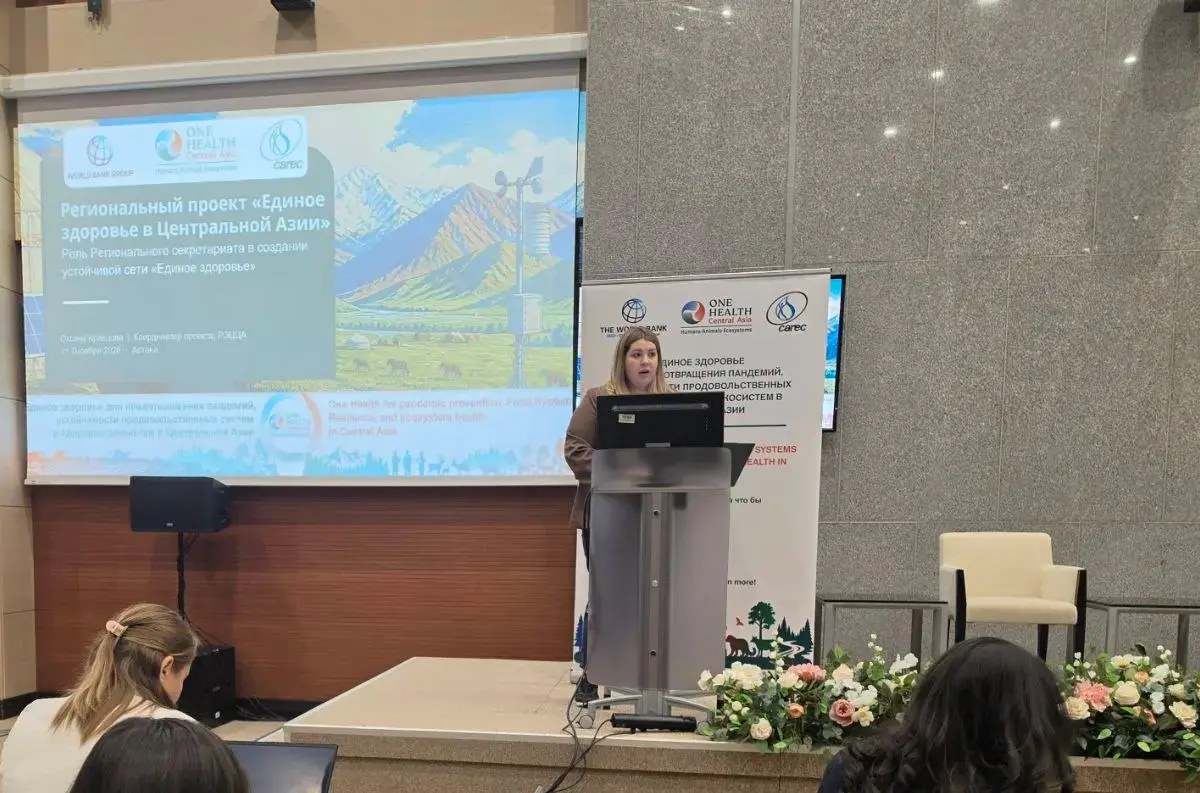
In Astana, Kazakhstan, on November 19, at an international conference, Kravtsova linked these risks to changes in the survival conditions of microorganisms and the exchange of antibiotic resistance genes among bacteria.
The presentation cited results from a laboratory study published in the Journal of Hazardous Materials in 2024. When water was heated from 5 to 30 degrees Celsius, the frequency of gene transfer increased by approximately 30 times. The result pertains to a specific experimental system and does not imply the same rise in resistance, morbidity, or mortality in Central Asia's natural ecosystems.
Floods and heavy precipitation may carry pollutants from agricultural lands and livestock complexes into surface waters. Droughts alter water reuse patterns, while the role of dust storms in gene transfer still requires further study. Climate is not the sole cause of antibiotic resistance: the use of medications, sanitary conditions, access to treatment, and epidemiological surveillance are also important factors.