

Rare Disease Reveals Hidden Immune System Defect
Scientists have discovered that in the rare disease MKD, a malfunction in NK cells triggers dangerous inflammation. Baricitinib improved the condition of a critically ill infant.
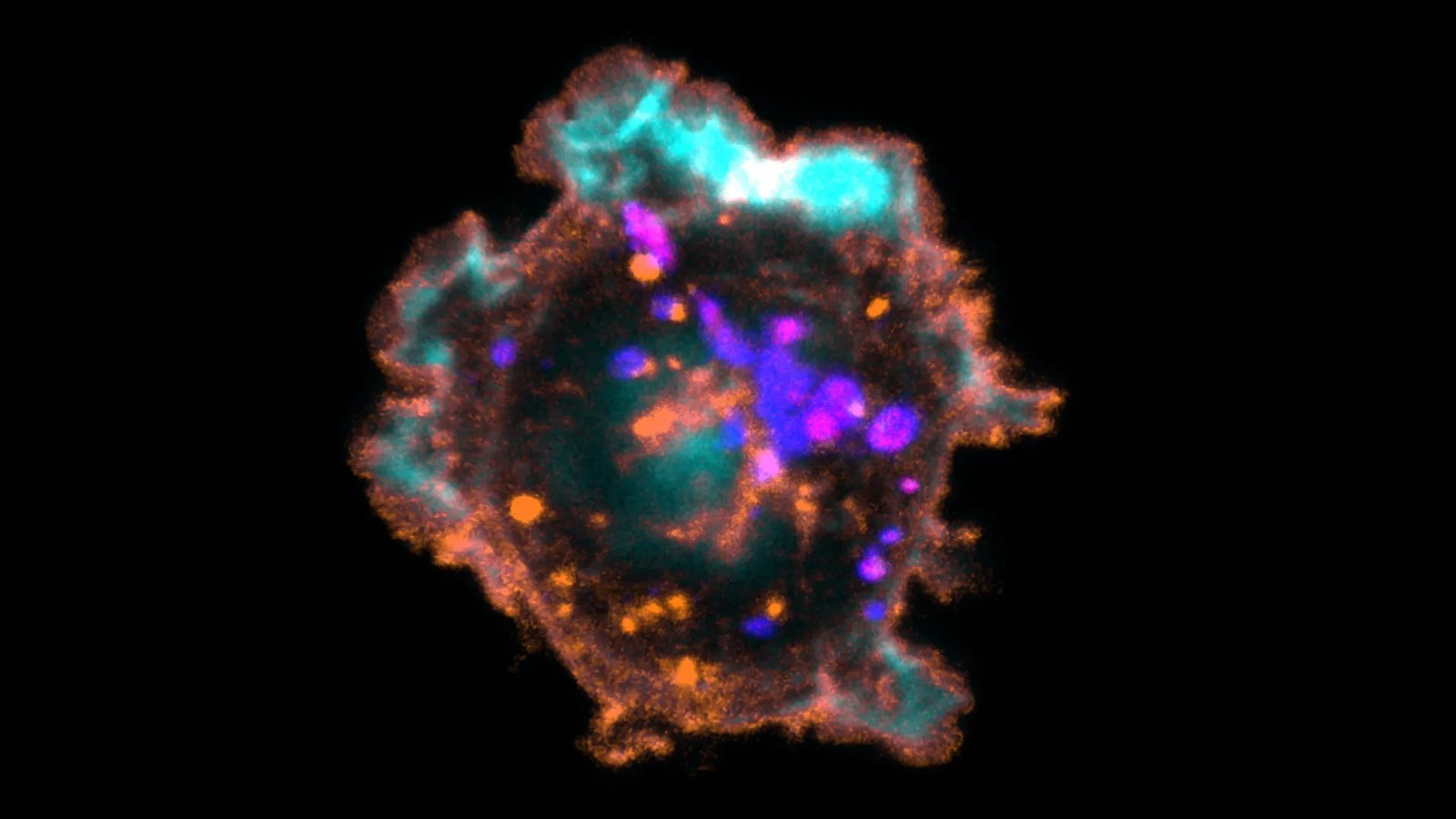
On 18 November 2026, researchers from the Garvan Institute of Medical Research in Sydney, together with doctors from the Royal Children’s Hospital in Melbourne, studied mevalonate kinase deficiency (MKD). The results were published in *Immunity*.
The disease causes episodes of high fever, rash, joint pain, and inflammation of abdominal organs. Around half of patients respond inadequately to current treatments targeting macrophage signals.
Blood analysis and preclinical experiments showed that NK cells in MKD do not mature normally and fail to eliminate infected cells. Instead, they release large amounts of interferon-gamma, which activates other immune cells and can trigger widespread inflammation.
Doctors added the JAK inhibitor baricitinib to the therapy of a critically ill infant. Following this, flare-ups became less frequent, and gastrointestinal inflammation began to subside. However, the outcome in a single patient does not prove the drug’s effectiveness for all sufferers. The discovery may lay the foundation for future research into JAK inhibitors and agents blocking interferon-gamma.