
DPRK Shifts Foreign Policy and Rejects U.S. Initiatives
DPRK leader Kim Jong Un announced an expansion of external relations while defending sovereignty. The ceremony took place shortly after Donald Trump's unsuccessful attempt to meet with him.
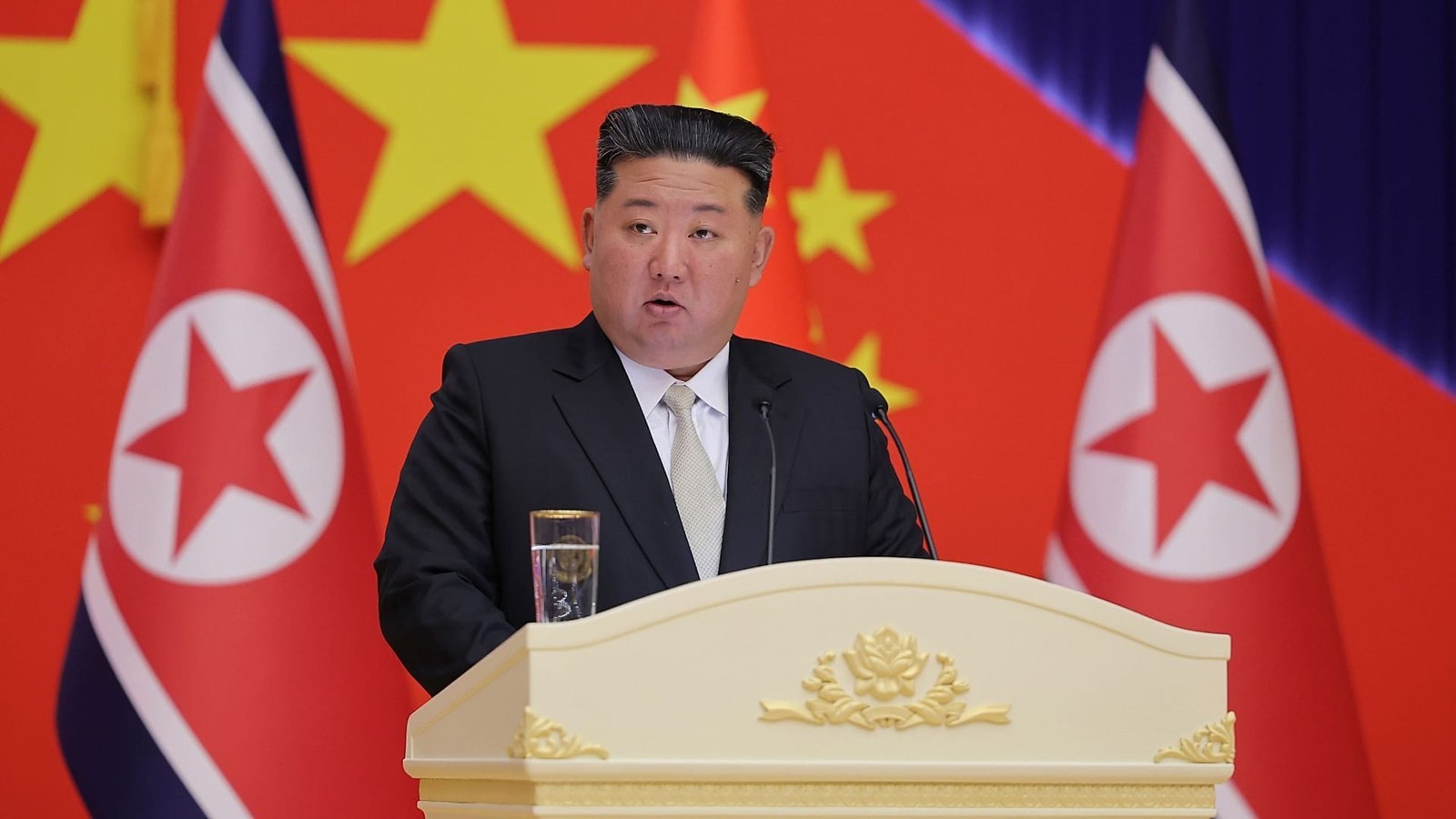
On November 23 in Pyongyang, the DPRK held a ceremony for the presentation of credentials to new ambassadors, in which Kim Jong Un personally participated. This was reported by the Korean Central News Agency.
The North Korean leader told diplomats that the country intends to develop relations with states around the world on the principles of independence, peace, and friendship. According to him, Pyongyang does not seek superiority or expansion but must reconsider its approaches to protecting sovereignty amid a global security crisis and political-economic instability.
Kim's personal participation was unusual for such an event: typically, credentials are accepted by the Chairman of the Presidium of the Supreme People's Assembly or another high-ranking official. Foreign Minister Choe Son Hui was present at the ceremony, and among the ambassadors was a representative of Russia.
The meeting took place after the U.S. president's Asian tour. Before the trip, Trump instructed his team to explore the possibility of negotiations with Kim, but the meeting did not take place. The U.S. administration officially denies preparations for the summit. Washington also discussed the potential easing of demands on Pyongyang, including abandoning immediate denuclearization in exchange for a moratorium on missile tests.
According to expert estimates, since 2019, the DPRK's nuclear arsenal has grown from approximately 20–30 to 60 warheads.