
Afghanistan Prepares to Divert Water into the Qosh Tepa Canal
The National Development Corporation of Afghanistan has announced the near completion of the second phase of the Qosh Tepa Canal and preparations to divert water from the Amu Darya River. No timeline or volume for water withdrawal has been specified.
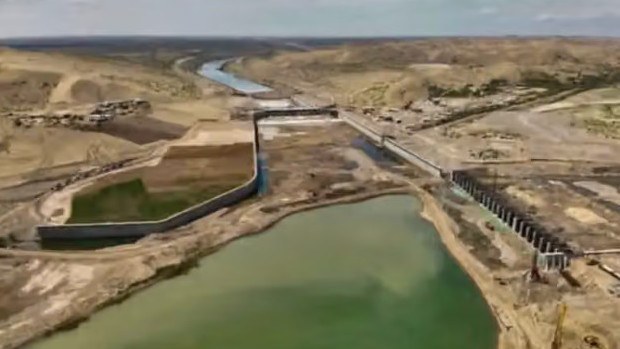
On November 25, the National Development Corporation reported that 99% of earthworks for the second phase of the canal in northern Afghanistan have been completed. Simultaneously, 47 bridges and flow regulation structures are under construction.
Corporation representative Nabiullah Argandiwal stated that construction of the main water intake structure is ongoing, after which water is planned to be diverted into the main canal. The exact timeline for water diversion, withdrawal volume, and agreements with downstream countries along the Amu Darya River have not been clarified.
The canal's capacity is preliminarily estimated at 650 cubic meters per second. Uzbekistan's Minister of Water Resources, Shavkat Khamraev, previously stated that full-scale water withdrawal would not begin before 2030 and that its volumes need to be agreed upon considering the river's flow. The project is designed to irrigate 500,000–600,000 hectares, though some lands will require pumping stations and significant electricity expenditures.
Foreign studies warn of potential water scarcity intensification and risks to Central Asian agriculture. According to calculations by the University of Oulu, diverting 20% of the flow could reduce available water resources in Kashkadarya Region by over 1.2 billion cubic meters by 2030.